The Castellet de Confrides
The Castell d’Aljofra, on the Penya del Castell
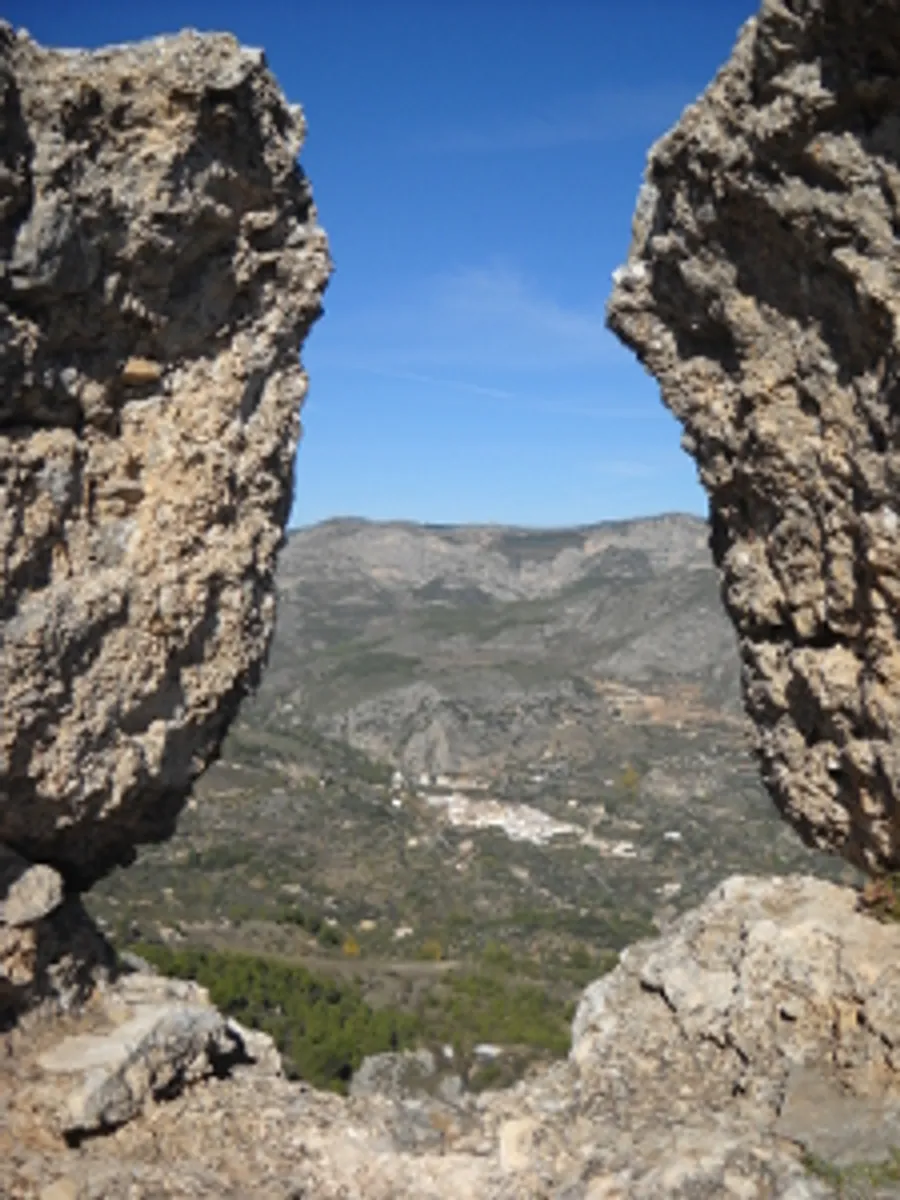
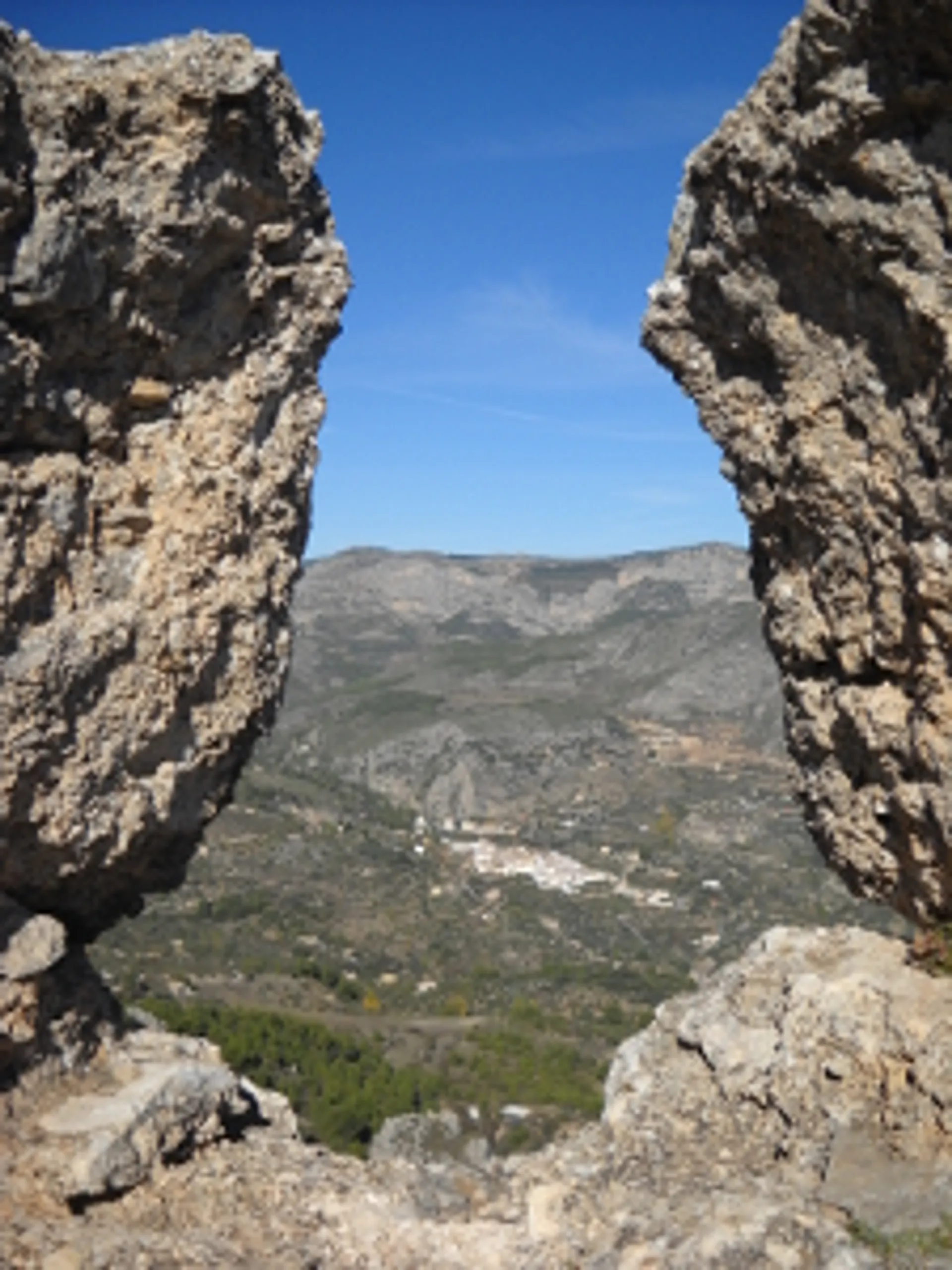
The Castell d’Aljofra is located on a rocky spur, called Penya del Castell, about two kilometres south-east of Confrides.
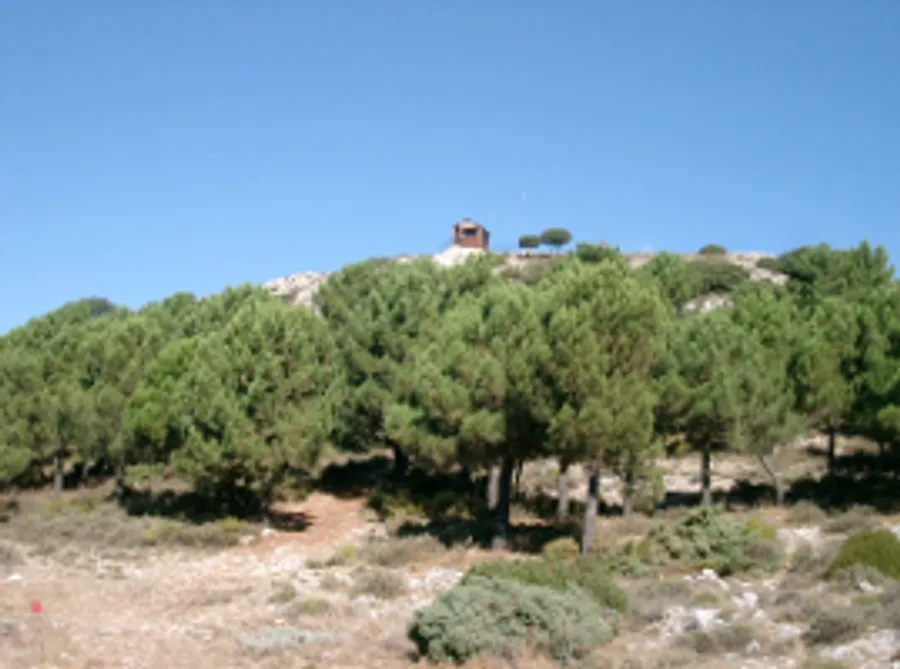
It is also known as the Castle of Alfofra, as the settlement near the fortress was known before the construction of today’s Confrides. It is reached via a forest track that leaves the village itself and takes us to the foot of the fortress. The last few hundred metres to it must necessarily be done on foot.
History
The settlement was originally a Muslim farmstead, probably from the 12th century. The castle may originally have been built as a watchtower or defence of this farmstead, which later became the Islamic fortress.
It was conquered by the troops of King James I the Conqueror and donated, in 1264, to Vidal de Sarrià, lord of Callosa, including Confrides in the territory of his lordship until many years later it passed into the hands of his son Bernat de Sarrià, and later he ceded it to the Infante Pedro and later to the noble houses of Cardona and Ariza.
During the wars with Castile in the 14th century, the Castilians seized it, keeping it active for a long time.
The population and the fortress suffered bloody military actions during the period of the rebellion caused by the decree of expulsion of the Moriscos in 1609.
During the War of the Spanish Succession, the population supported the Bourbon cause at all times, and its castle was of great strategic importance given its privileged position.
Current state
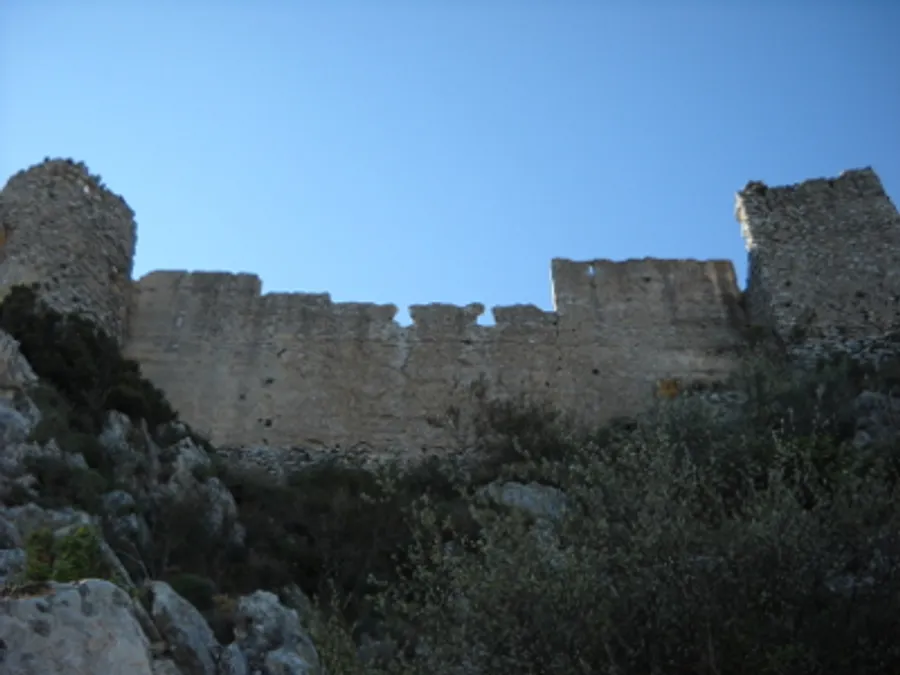
The fortress is currently almost in ruins. Even so, a notable number of elements of the old castle can be observed, especially its wide stretches of rammed-earth walls and much of the cylindrical structure of two of its defence towers, built of masonry.
There are also quite well-preserved remains of another of the towers, in the shape of a rectangular block, also built of masonry. The last tower, north of the fortress, is in a more sorry state, almost entirely truncated.
The set of towers and stretches of wall give us an approximate idea of the size of the fortress of Confrides, which in its day must have been considered one of the most important in the Comtat region.
Images of the castle